
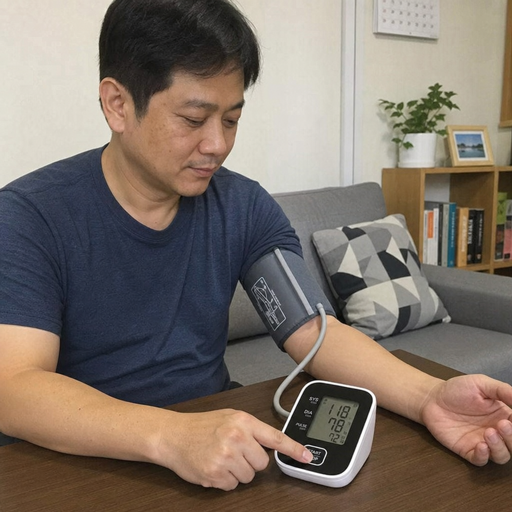
Stay closer to your heart health with smart cardiovascular monitoring designed for everyday routines. These digital blood pressure and heart health devices help you measure, save, and review key readings from home, so you can notice patterns, prepare for appointments, and build a more consistent wellness habit. Choose from smart blood pressure monitors, Bluetooth blood pressure cuffs, and connected health devices that make tracking simpler without turning your home into a clinic.
Which smart blood pressure monitor is right for you?
The right smart blood pressure monitor is the one you will use correctly and consistently. For most people, that means a comfortable upper-arm cuff, a clear digital display, Bluetooth connectivity, and an app experience that makes readings easy to review over time. If you are comparing smart health devices, start with how you plan to measure: daily at home, occasionally before medical visits, or as part of a broader cardiovascular wellness routine that includes heart rate, activity, sleep, and weight trends.
A connected digital blood pressure device is especially useful when you want more than a one-time number. Instead of writing readings on paper or trying to remember results, Bluetooth blood pressure monitoring can sync measurements to a compatible app, helping you organize records by date and time. That makes it easier to discuss changes with a healthcare professional and easier to see whether your routine is becoming more consistent.
Connected monitoring for clearer daily insights
Smart blood pressure monitors are built for people who want practical feedback, not complicated equipment. A traditional cuff may give you a reading, but a smart monitor can help you keep that reading in context. When measurements are saved automatically, you can review morning and evening results, compare recent readings with earlier ones, and avoid relying on memory.
This matters because blood pressure can change throughout the day. Stress, caffeine, exercise, sleep, medication timing, and measurement position can all affect a reading. A smart device cannot explain every change, and it should not replace professional care, but it can give you a cleaner record to share when you need guidance.
Use it at home, at a desk, or while traveling when your routine allows. The goal is not to check constantly. The goal is to measure in a calm, repeatable way so your readings become more useful.
Key features that make tracking easier
A good smart blood pressure product should reduce friction. If setup is confusing or readings are hard to find later, the device becomes one more thing you stop using. Look for features that support accuracy, consistency, and simple record keeping.
Important features include:
- Digital blood pressure readings: A clear screen helps you see systolic pressure, diastolic pressure, and pulse without guessing.
- Bluetooth blood pressure syncing: Compatible devices can send readings to an app, reducing manual entry and helping you build a history.
- Comfortable cuff design: A cuff that fits properly and feels secure can make regular measurement easier.
- Reading history: Stored results help you review trends instead of focusing only on one isolated number.
- Multi-user support: Helpful for households where more than one person wants to track readings on the same device.
- Irregular heartbeat alerts, where available: Some monitors can flag possible rhythm irregularities during measurement, so you know when to discuss results with a clinician.
- Portable form factor: A compact monitor is easier to store, pack, and keep within reach.
- App-based organization: Notes, reminders, and export options can make your blood pressure log more useful.
These features are most valuable when they support a habit. A premium display or app is helpful, but consistency still depends on measuring at the same time, sitting still, and using the cuff as directed.
Benefits for home cardiovascular care
Smart cardiovascular monitors give you more control over how you observe your health between appointments. They do not diagnose conditions on their own, but they help turn scattered readings into a more organized record. That record can support better conversations with your healthcare provider, especially if you are monitoring known risk factors or following a recommended home measurement plan.
For many users, the biggest benefit is confidence. You can take a reading, see it saved, and move on without wondering whether you wrote it down correctly. Over time, your app history may help you recognize how routines affect your numbers, such as whether readings differ after poor sleep or a high-stress week.
Smart monitoring can also support caregivers. If a family member needs help remembering readings or preparing information for appointments, a connected device can make the process easier to manage. The device still needs to be used properly, but digital storage can remove a major source of confusion.
Designed for real-life routines
Home monitoring works best when it fits naturally into the day. A smart monitor can sit near a favorite chair, bedside table, or home office setup, ready for calm measurement. The easier it is to reach and use, the more likely it is to become part of a steady routine.
A practical routine might look like this:
- Sit quietly with your feet flat and your back supported.
- Place the cuff according to the device instructions.
- Rest your arm at heart level before starting the reading.
- Stay still and avoid talking during measurement.
- Let the reading sync to the app or save it on the device.
- Add a note if something unusual affected the result, such as exercise, stress, or missed sleep.
This repeatable approach makes each measurement more useful. It also prevents one unusual reading from becoming the whole story. If a reading concerns you, follow the guidance from your healthcare professional or seek medical help when appropriate.
Smartwatch blood pressure tracking and cuff-based accuracy
Many shoppers ask, “is there a smart watch that monitors blood pressure” or “what smart watch monitors blood pressure” because wrist-based devices are convenient. Some wearable devices may estimate or track cardiovascular metrics, and a smart watch that monitors blood pressure can be appealing for quick wellness checks. However, smartwatch-based blood pressure features vary widely by model, region, calibration requirements, and intended use.
For home blood pressure measurement, a dedicated cuff-based monitor is usually the more practical choice when you need a repeatable reading to record and share. A smart watch that monitors blood pressure may be useful as part of a broader wellness ecosystem, especially if you also track activity, sleep, heart rate, or reminders. But if blood pressure is the main number you care about, smart blood pressure monitors with a properly fitted cuff should be the center of your setup.
The best approach may be a combination: use a cuff-based digital blood pressure monitor for scheduled readings, and use wearable smart health devices for everyday activity and heart wellness awareness. That way, convenience and structure work together.
What you can monitor
Smart cardiovascular monitoring can cover several helpful data points depending on the device you choose. Not every product includes every feature, so review the product details before selecting a model.
Common monitoring options include:
- Systolic blood pressure: The top number in a blood pressure reading.
- Diastolic blood pressure: The bottom number in a blood pressure reading.
- Pulse rate: Often measured during the blood pressure reading.
- Reading time and date: Useful for spotting patterns across mornings, evenings, or weekly routines.
- Historical averages: Helpful for reviewing trends rather than reacting to a single result.
- User profiles: Useful when multiple household members share one monitor.
- App notes: Allows you to record context, such as stress, exercise, medication timing, or symptoms.
- Exportable records, where supported: Helps prepare for medical appointments or telehealth visits.
These details become more valuable when they are organized. A list of numbers can be overwhelming, but a clear app history can turn that information into a usable timeline.
Product options and specifications
Choose the monitor style that fits your needs and comfort level. If you want a dependable home setup, look for a digital upper-arm model with a cuff size that matches your arm. If you want easier app tracking, select a Bluetooth blood pressure monitor with compatible smartphone support. If you want broader wellness visibility, pair your cuff-based monitor with other smart health devices.
Typical product considerations include:
- Measurement style: Upper-arm cuff, wrist cuff, or wearable-based wellness tracking.
- Connectivity: Bluetooth app syncing, manual storage, or device-only history.
- Display: Large digital screen, backlit display, or app-first interface.
- Power: Battery-powered, rechargeable, or adapter-supported depending on model.
- Cuff fit: Choose a cuff size that matches your arm measurement.
- Memory: Single-user or multi-user reading storage.
- App compatibility: Confirm compatibility with your phone before purchasing.
- Portability: Compact models are easier to store and travel with.
Because specifications vary by model, review the individual product listing before checkout. If you are purchasing for a medical reason, ask your healthcare professional what type of home monitor they prefer you to use.
Simple setup from box to first reading
A smart monitor should be easy to start using. After unboxing, install batteries or charge the device if required, download the compatible app if you want connected features, and pair the monitor using Bluetooth. Once paired, take a test reading while following the device instructions carefully.
Before you rely on the readings, make sure the cuff fits properly and the app is saving results under the correct user profile. If multiple people will use the monitor, set up each profile separately so records do not mix. Keep the instruction manual nearby until the routine feels familiar.
For best results, avoid treating setup as a one-time task. Check occasionally that the device syncs correctly, the cuff is in good condition, and your app history is complete. Small checks can prevent missing data later.
Built for people who want a better health record
This product category is ideal for anyone who wants a cleaner way to track cardiovascular information at home. It is also useful for people who have been asked to record blood pressure readings, families supporting an older adult, and wellness-focused users who already rely on connected devices.
Smart blood pressure monitoring may be a good fit if you want to:
- Replace handwritten logs with digital records.
- Bring organized readings to medical appointments.
- Track readings at consistent times during the week.
- Compare blood pressure with lifestyle notes.
- Support a family member with easier home monitoring.
- Add cardiovascular tracking to your smart health devices.
- Reduce uncertainty around missed or forgotten readings.
It may not be the right fit if you only want occasional, one-off measurements and do not plan to review the history. In that case, a simpler digital blood pressure monitor may be enough.
Pricing and value
Pricing depends on the monitor type, connectivity, cuff design, app features, memory, and included accessories. Basic digital blood pressure models usually focus on straightforward readings, while smart blood pressure monitors add Bluetooth syncing, app history, reminders, and more organized long-term tracking. Wearable options may cost more because they include broader smartwatch features beyond blood pressure or cardiovascular monitoring.
When comparing options, think beyond the purchase price. A device that is comfortable, easy to read, and simple to sync may deliver more value because you are more likely to use it regularly. If an app export helps you prepare for appointments or if multi-user profiles help your household stay organized, those features can be worth prioritizing.
Choose the model that matches your actual routine, not the longest feature list. The best smart monitor is the one that helps you build a reliable record with the least friction.
A smarter way to prepare for appointments
One of the most practical uses for Bluetooth blood pressure monitoring is appointment preparation. Instead of bringing a few disconnected notes, you can review a dated history and identify the readings your clinician may want to discuss. This can make conversations more focused and help you remember what was happening around certain results.
For example, if your readings are higher during a stressful week, you can add notes rather than trying to explain everything from memory later. If your morning and evening readings differ, your record may help your healthcare professional decide what questions to ask next. The monitor does not make decisions for you, but it gives you a clearer foundation for discussion.
Start tracking with confidence
Smart blood pressure and cardiovascular monitors make home health tracking more organized, more convenient, and easier to maintain. Whether you want a dedicated digital blood pressure cuff, a Bluetooth blood pressure monitor with app syncing, or a broader connected wellness setup, the right device can help you turn individual readings into a useful health record.
Explore the available options, confirm the features that matter to your routine, and choose a monitor you will feel comfortable using regularly. If you are monitoring a diagnosed condition, managing medication, or unsure which device is appropriate, consult a healthcare professional before relying on home readings for decisions.