
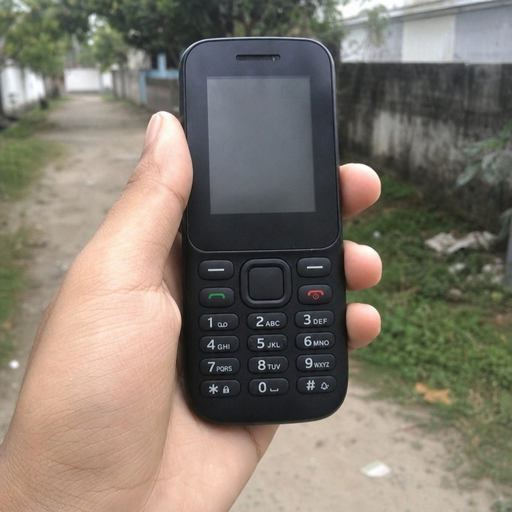
A dumbphone digital detox is a practical way to reduce screen noise without disappearing from modern life. By switching to a basic or minimalist phone, even temporarily, you create space for simple communication, better attention, and a healthier relationship with technology. The goal is not to reject every useful tool, but to decide what deserves your focus and what has been quietly taking it.
What is a dumbphone digital detox?
A dumbphone digital detox is a period of using a basic phone instead of a smartphone so you can break automatic habits like scrolling, checking notifications, and opening apps without a clear reason. A dumbphone usually supports calls, texts, alarms, and sometimes simple extras like a calendar, calculator, or music player. That limitation is the point: it makes your phone useful for communication, but less tempting as an always-available entertainment device.
Unlike a dramatic tech cleanse, this approach can be flexible. Some people use a dumbphone on weekends, during work hours, on vacation, or for a full month. Others keep a smartphone at home for banking, maps, or two-factor authentication while carrying a minimalist phone when they leave the house. The best version is the one that helps you focus on life while still meeting your real responsibilities.
The appeal of a more unplugged lifestyle
Many people do not feel addicted to their phones in a dramatic way. They simply notice that the device is always there: on the desk, in the bed, in the hand during a walk, beside the plate at lunch. Over time, those tiny checks can turn into a constant background hum that makes ordinary moments feel less complete.
A more unplugged lifestyle gives those moments room to breathe again. Waiting in line can become a chance to think. A walk can become a walk, not a content session. A conversation can unfold without the silent pressure of notifications stacking up nearby.
This is where a dumbphone digital detox becomes useful. It creates friction in exactly the places where smartphones remove it. You can still call a friend, text your family, and be reachable in an emergency, but you are less likely to lose 30 minutes to a feed you never intended to open.
Why a minimalist phone changes your habits
A minimalist phone works because it changes the environment around your behavior. Most phone habits are not caused by deep intention; they are triggered by boredom, discomfort, curiosity, or a flash of notification light. When the apps are gone, the habit loop becomes easier to notice.
With a smartphone, the path from “I wonder what time it is” to “I am watching videos” can be almost invisible. With a dumbphone, the path usually ends after the original task. You check the time, reply to the message, make the call, and move on.
This shift can support mindful phone use because it asks a better question: “What am I using this device for right now?” That question may sound small, but it changes the phone from a default escape into a chosen tool.
Common benefits people look for include:
- Fewer interruptions: A basic phone reduces app alerts, badges, pings, and promotional notifications.
- Clearer attention: Without constant access to feeds, email, and short-form content, it becomes easier to stay with one task.
- More intentional social time: Calls and texts become more deliberate forms of simple communication.
- Better boundaries: Work, entertainment, errands, and rest no longer live in the same glowing rectangle.
- Less comparison: Removing social apps, even temporarily, can reduce the habit of measuring your life against other people’s highlights.
Is a dumbphone realistic for everyday life?
A dumbphone can be realistic if you plan around the smartphone functions you genuinely need instead of pretending they do not matter. Most challenges are practical: navigation, payments, banking, work apps, ride services, group chats, tickets, and verification codes. A successful detox does not ignore these needs; it separates essentials from compulsions.
Start by listing what your smartphone does for you in a normal week. Some functions may be essential, while others only feel essential because they are convenient. For example, you may need maps when driving somewhere new, but you may not need social media in your pocket all day. You may need email for work, but perhaps not after dinner.
A balanced setup might include a dumbphone as your daily carry device and a smartphone stored at home for specific tasks. You could also use a tablet or laptop for online errands, which keeps the internet available without making it portable every second. This approach protects convenience where it truly helps while reducing access where it mostly drains attention.
Digital detox tips before you switch
Jumping straight into a dumbphone can be refreshing, but a little preparation makes the transition smoother. The point is to remove unnecessary friction from your life, not create chaos for your job, family, or schedule.
Use this checklist before beginning:
- Audit your current phone use. Look at which apps take the most time and which ones you open automatically. Pay attention to emotional triggers, not just minutes.
- Define your detox window. Choose a weekend, workweek, month, or recurring schedule. A clear end date makes the experiment easier to start.
- Choose your essential tools. Decide how you will handle maps, calendars, passwords, two-factor codes, music, podcasts, payments, and emergency contacts.
- Tell key people. Let close friends, family, or coworkers know the best way to reach you. This prevents confusion and reduces pressure to stay connected everywhere.
- Move important information offline. Write down addresses, appointment details, transit notes, and phone numbers you normally rely on your smartphone to store.
- Set expectations for boredom. The first quiet moments may feel strange. That discomfort is not failure; it is the space your phone used to fill.
These digital detox tips are simple, but they matter. A poorly planned detox can make the dumbphone feel like the problem, when the real issue is that modern life has been organized around constant smartphone access.
Building mindful phone use after the detox
The most valuable part of a dumbphone digital detox is what you learn from it. You may discover that you do not miss certain apps at all. You may also find that some smartphone tools genuinely improve your life when used intentionally. The goal is to return, if you return, with clearer rules.
Mindful phone use is not about being perfect. It is about noticing the difference between connection and compulsion. A phone call to someone you love can be meaningful. A quick check of tomorrow’s weather can be useful. Opening five apps because you feel restless may leave you more scattered than before.
After your detox, consider creating a phone setup that reflects your priorities:
- Keep distracting apps off your home screen, or remove them entirely.
- Turn off nonessential notifications, especially from shopping, news, and social platforms.
- Use grayscale mode if bright colors pull you into apps.
- Charge your phone outside the bedroom.
- Set phone-free times for meals, reading, focused work, and the first part of the morning.
- Replace scrolling rituals with specific alternatives, such as walking, journaling, stretching, or calling a friend.
These boundaries help you keep the best parts of modern technology while reducing the parts that fragment attention.
Choosing the right simple communication setup
Not every basic phone is the same, and the right choice depends on your life. Some people want the simplest possible call-and-text device. Others prefer a feature phone with a better keyboard, hotspot capability, music, or limited apps. The important thing is to choose a device that supports your purpose instead of recreating the same smartphone habits in a smaller package.
Before buying a phone, think about your must-haves. Do you need group texting to work reliably? Do you need compatibility with your carrier? Would a physical keyboard help you text more comfortably, or would it encourage too much messaging? Do you want a camera, or would removing the camera help you be more present?
A minimalist phone should make the right behavior easier. If your goal is simple communication, prioritize calling quality, texting, battery life, durability, and ease of use. If your goal is fewer distractions, be careful with devices that still support the same apps you are trying to escape.
What will you do with the space you get back?
The real question is not only what you remove, but what you make room for. A dumbphone can reduce distraction, but the deeper benefit comes when you fill that space with something more satisfying than passive scrolling. Without that replacement, the mind often searches for another quick distraction.
Think in terms of small, repeatable choices. Keep a book in your bag. Take a short walk after lunch. Cook without a video playing. Sit in silence for a few minutes before starting the day. Make plans that do not depend on constant coordination.
You do not need to become a completely different person. The aim is to let daily life feel less interrupted. When your attention is not being pulled in ten directions, ordinary things become easier to notice: the taste of coffee, the details of a conversation, the feeling of finishing a task without checking your phone halfway through.
A softer way to start
If switching devices feels too extreme, begin with a partial detox. Use your smartphone like a dumbphone for a few days by removing social media, disabling the browser, logging out of entertainment apps, and turning off notifications. Put only essential tools on the home screen and see what changes.
You can also create “dumbphone hours.” For example, keep your smartphone in another room from 7 p.m. to bedtime, or leave it behind during a neighborhood walk. These smaller experiments help you understand which boundaries are useful before you commit to a new device.
The best detox is not the most severe one. It is the one you can actually practice long enough to learn from.
Final takeaway
A dumbphone digital detox is less about nostalgia and more about attention. By choosing a minimalist phone, or simply using your current phone with stronger limits, you can reduce noise and return to more intentional rhythms of communication, work, rest, and presence.
You do not have to abandon technology to build an unplugged lifestyle. You only have to stop letting one device decide how your attention is spent. Start small, stay practical, and use the quiet you gain to focus on life in a way that feels real, useful, and your own.
