
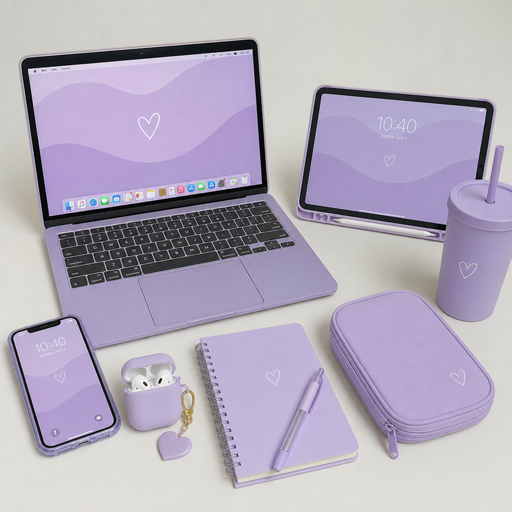
Everyday technology is no longer just about speed, storage, or screen size. People are turning phones, earbuds, laptops, cameras, tablets, and wearables into small canvases for identity through aesthetic personalization, charms, cases, stickers, widgets, colors, and accessories. This shift makes practical devices feel warmer, more expressive, and more emotionally connected to daily life.
Why is aesthetic personalization changing everyday tech?
Aesthetic personalization is changing everyday tech because people want the objects they use constantly to feel like part of their personal world, not just neutral tools. A phone is often in someone’s hand for hours, a laptop sits in the middle of work and study, and earbuds move through commutes, workouts, and quiet moments. When those items reflect a person’s mood, taste, memories, or community, the tech feels less disposable and more intimate.
This is where charm culture has found its place. A dangling phone charm, beaded wrist strap, themed keychain, pastel case, handmade camera accessory, or carefully arranged sticker set can turn a standard device into something with unique aesthetics. The change may be small, but the emotional effect is noticeable: the device begins to feel chosen rather than merely owned.
Aesthetic trends also move faster than traditional product cycles. A device might last several years, but its look can shift with seasons, interests, fashion references, fandoms, or personal milestones. That flexibility makes aesthetic customization appealing because people can refresh their tech without replacing the tech itself.
The rise of charm culture around devices
Tech charm culture blends nostalgia, craft, fashion, and personal storytelling. Many charms borrow from older accessory habits, such as decorating bags, pencil cases, flip phones, notebooks, and keyrings. What feels new is the way these details now attach to sleek, high-performance devices that were often designed to look minimal and identical.
The contrast is part of the aesthetic appeal. A clean smartphone becomes softer with a pearl strap. A black laptop becomes playful with illustrated decals. A pair of earbuds gains personality through a case cover shaped like fruit, a character, or a tiny bag. These additions create a visual tension between polished technology and handmade or expressive detail.
Charm culture also works because it is easy to participate in. Someone does not need design training or a large budget to start. A single strap, sticker, skin, bead, charm loop, or lock screen theme can shift the feeling of an everyday object. Over time, these choices can become a recognizable personal style.
Personalized design turns utility into identity
Personalized design makes technology feel less anonymous. Most everyday devices are mass-produced, and many people own the same models in the same few colors. Personal styling interrupts that sameness by adding texture, color, symbolism, humor, softness, or edge.
Aesthetic design is not only about making tech look pretty. It can help someone feel organized, comforted, motivated, or creatively energized. A student might decorate a tablet to make study sessions feel less sterile. A freelancer might use a laptop skin and matching desktop layout to make a workspace feel intentional. A traveler might attach a bright charm to make a phone easier to find in a crowded bag.
The most effective personalized design usually connects to how the person actually lives. It looks good, but it also makes the device easier to recognize, hold, carry, protect, or enjoy. That balance between function and feeling is why aesthetic personalization continues to spread.
What makes aesthetic customization feel authentic?
Aesthetic customization feels authentic when it reflects real preferences instead of copying a trend without connection. A look does not need to be completely original to feel personal, but it should feel chosen with care. The best combinations often include a mix of visual style, practical use, and small references that mean something to the owner.
Authenticity can come from a favorite color palette, a charm collected during travel, a sticker from an artist, a handmade strap, a fandom symbol, or a simple layout that makes someone feel calm. It can also come from restraint. Not every device needs to be covered from edge to edge; sometimes one carefully selected charm or case creates a stronger effect than a crowded arrangement.
A useful way to build authentic aesthetic customization is to ask what role the device plays in daily life. Is it a productivity tool, a creative companion, a social object, or a comfort item? The answer can guide the style.
Try choosing details based on these practical prompts:
- Mood: Do you want the device to feel playful, elegant, cozy, futuristic, nostalgic, bold, or minimal?
- Use: Will charms or straps help with grip, carrying, visibility, or quick identification?
- Durability: Will the materials hold up to bags, pockets, travel, heat, and daily handling?
- Flexibility: Can the look be changed without damaging the device?
- Meaning: Does the accessory connect to a memory, hobby, community, character, place, or personal symbol?
Aesthetic trends shaping everyday tech style
Aesthetic trends often begin in fashion, interiors, gaming, music, anime, craft communities, and social platforms before appearing on phones and laptops. Because tech is so visible in daily life, it naturally absorbs these influences. The result is a growing mix of digital and physical styling.
Soft minimalism remains popular for people who prefer calm, coordinated tech. This might include neutral cases, gentle gradients, simple icon sets, monochrome stickers, and slim charms in metal, glass, or cord. The style works well for anyone who wants personalization without visual clutter.
Maximalist charm styling moves in the opposite direction. It celebrates abundance through layered straps, beads, plush accessories, holographic stickers, patterned cases, and mixed textures. This approach treats a device almost like a bag or jacket: a surface that can collect references, memories, and personality.
Retro tech aesthetics are also influential. Clear cases, pixel art, Y2K colors, chrome effects, cassette-inspired graphics, flip-phone references, and translucent accessories all bring older digital eras into current devices. These choices can feel nostalgic even when paired with the newest hardware.
Another visible direction is coordinated ecosystem styling. People match their phone case, laptop wallpaper, smartwatch band, tablet sleeve, earbud case, and desktop widgets around a shared palette or theme. This creates a sense of visual continuity across devices and makes daily routines feel more curated.
The digital side of aesthetic personalization
Not every form of aesthetic personalization is physical. Digital surfaces are just as important, especially because screens are where people spend most of their attention. Wallpapers, app icons, widgets, lock screen layouts, keyboard themes, playlists, profile images, and notification sounds can all support a personalized design language.
Digital customization is especially powerful because it can change quickly. A person might use a bright layout during summer, a darker interface during winter, or a calming setup during a stressful season. This makes tech feel responsive to life rather than fixed in one look.
Physical and digital styling work best when they support each other. A pastel phone case can pair with soft app icons. A cyber-inspired laptop skin can match a sharp, high-contrast wallpaper. A charm based on a favorite character can connect with a lock screen image or widget layout. These small connections create a more complete aesthetic design.
How can you personalize tech without making it impractical?
You can personalize tech without making it impractical by choosing accessories that fit your routines, protect your device, and remain easy to remove or adjust. A beautiful charm is less enjoyable if it constantly catches on fabric, blocks a camera, interferes with charging, or makes the device uncomfortable to hold. Good aesthetic customization should improve the relationship with the object, not make daily use harder.
Start with the device you use most and make one or two changes before building a full look. For many people, that means a case, strap, wallpaper, or sticker arrangement. Live with it for a few days, then notice what feels useful and what feels annoying.
A simple, practical approach can help:
- Choose a base style. Pick a palette or mood first, such as clear and playful, dark and sleek, soft and romantic, or bright and nostalgic.
- Protect the essentials. Use accessories that do not weaken grip, block ports, reduce ventilation, or interfere with wireless features.
- Layer slowly. Add charms, stickers, skins, or widgets one at a time so the final look feels intentional.
- Keep comfort in mind. Consider how the device feels in your hand, bag, desk setup, or pocket.
- Make it reversible. Favor options that can be removed, swapped, cleaned, or updated when your taste changes.
This process keeps aesthetic appeal connected to everyday usefulness. It also prevents the common problem of overdecorating a device in a way that looks good in a photo but becomes frustrating in real life.
Charm culture as self-expression and connection
One reason charm culture feels so personal is that it invites conversation. A charm, sticker, or unusual case can signal a hobby, favorite character, music taste, place, or inside joke. These details can help people recognize shared interests without needing a formal introduction.
There is also a comfort element. Many tech products are smooth, glassy, and impersonal by design. Adding tactile, soft, colorful, or handmade elements can make them feel more approachable. A beaded phone strap or plush earbud case creates a sensory contrast that can make daily technology feel less cold.
For creators, small brands, and independent artists, this culture opens a space for expressive accessories that go beyond standard mass-market options. Illustrated stickers, handmade charms, custom straps, and niche designs allow users to support styles and communities that match their own identities. That variety helps keep aesthetic personalization from becoming one single look.
A sustainable mindset for changing aesthetics
Because aesthetic trends change quickly, it is easy to treat accessories as disposable. A more thoughtful approach is to build a flexible collection rather than constantly buying entirely new sets. Swappable charms, reusable straps, removable decals, durable cases, and timeless base colors can make personalization feel fresh without encouraging wasteful habits.
It also helps to separate trend-driven pieces from long-term favorites. A bold seasonal charm can be fun, while a sturdy case or neutral sleeve may last much longer. When the foundation is durable, smaller details can change without replacing everything.
Personalization should also include maintenance. Clean cases, check straps for wear, remove stickers carefully, and avoid accessories that could scratch screens or trap dirt. Taking care of the look helps protect both the device and the aesthetic design you have built around it.
The takeaway
Everyday tech charm culture shows that people want more from their devices than performance alone. They want objects that feel expressive, adaptable, and emotionally familiar. Through aesthetic personalization, a standard phone, laptop, tablet, or wearable can become a small but meaningful reflection of identity.
The best approach is not to chase every trend at once. Start with what feels useful, beautiful, and true to your daily life. When personalized design balances function with unique aesthetics, technology becomes more than a tool; it becomes part of your personal environment.
