
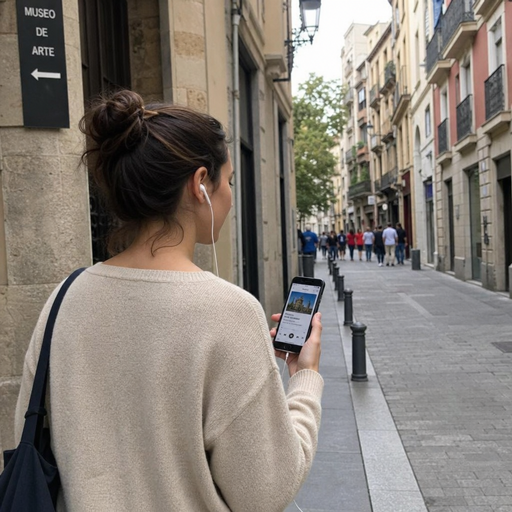
Immersive audio-guided walking tours turn an ordinary route into a layered experience of place, memory, sound, and movement. Instead of simply following a guidebook or reading plaques, listeners move through streets, parks, waterfronts, neighborhoods, or cultural sites while narration, music, interviews, and ambient sound shape what they notice. Whether designed for travelers, local explorers, museums, artists, or educators, audio walking tours can make a place feel more personal, reflective, and alive.
What makes an audio walk feel immersive?
An audio walk feels immersive when the sound does more than explain what is in front of the listener. It creates a relationship between the route, the pace of walking, and the listener’s attention. A strong walking tour audio experience might point out architectural details, invite someone to pause under a tree, layer historical narration over present-day street noise, or use music to shift the mood as the route changes.
The best immersive audio-guided walking tours are not just recordings attached to map pins. They are carefully paced experiences that understand how people move. A listener may need time to cross a road, look up at a building, sit on a bench, or absorb a story before continuing. When timing, narration, and location work together, the listener is not passively consuming information; they are participating in the place.
Immersion also comes from intimacy. Audio enters through headphones, which makes the voice feel close and direct. That closeness can make a story feel private, even in a busy public setting. For many people, this is the magic of sonic walks: they transform familiar surroundings without changing anything physical about them.
The rise of place-based listening
Audio has become a natural companion to movement. People already listen while commuting, exercising, traveling, or wandering through new neighborhoods, so audio walking tours fit easily into habits that already exist. What makes them distinctive is that they are rooted in place rather than background listening.
A podcast can be heard anywhere, but a sonic walk is designed for somewhere specific. The sound is tied to a corner, a path, a doorway, a viewpoint, or a stretch of pavement. That connection between location and story can help people slow down and notice details they might otherwise miss.
This format is especially powerful because it does not require a stage, screen, or group schedule. A visitor can begin when ready, pause when needed, and experience the route at a comfortable pace. For organizations, creators, and destinations, immersive audio-guided walking tours offer a flexible way to share stories without depending on constant in-person staffing.
How do audio walking tours support different kinds of explorers?
Audio walking tours support different kinds of explorers by giving them control over pace, focus, and depth. A first-time visitor might use the experience to understand a neighborhood’s history, while a local resident might use it to rediscover a street they walk every week. Families, solo travelers, students, cultural visitors, and curious locals can all engage with the same route in slightly different ways.
This flexibility makes the format useful across many settings, including:
- Historic districts, where narration can connect buildings, monuments, and public spaces to the people and events behind them.
- Museums and cultural campuses, where outdoor paths or nearby streets can become extensions of an exhibition.
- Nature trails and parks, where sound can highlight ecology, seasonal change, conservation, or sensory observation.
- Public art routes, where artists can explain process, context, or community meaning in their own voices.
- Universities and schools, where walking-based learning can make lessons more active and memorable.
- Cities and tourism destinations, where visitors can explore without needing to join a fixed-time group tour.
Good walking tour audio should also respect the listener’s environment. It should avoid overloading them with constant speech and leave room for real-world sound. Footsteps, wind, traffic, birds, distant conversation, and silence can all become part of the experience when the audio is designed with restraint.
Sonic walks invite deeper attention
A sonic walk is often more artistic, reflective, or sensory than a traditional tour. While a standard audio guide may focus on facts and directions, a sonic walk may ask the listener to hear a place differently. It might include field recordings, layered voices, poetry, local memories, or prompts that shift attention from landmarks to textures, rhythms, and atmosphere.
This does not mean sonic walks have to be abstract or difficult. They can be accessible and practical while still encouraging a different kind of awareness. A route through a market might focus on voices, trade, migration, and daily routine. A walk through a coastal path might combine environmental sound with stories about tides, labor, weather, and change.
For creators, the opportunity is to think beyond “what should people know here?” and ask “what should people notice, feel, question, or remember here?” That shift can make the experience more meaningful. Information matters, but attention is what makes the walk linger in the mind.
Elements of a strong walking tour audio experience
Not every recorded route becomes immersive simply because it is heard through headphones. The craft matters. The most effective experiences usually combine clear structure with moments of surprise, emotion, and space.
A strong audio walk often includes:
- A clear route The listener should always understand where to begin, where to go next, and when to stop. Confusing directions can break immersion quickly.
- Natural pacing The audio should match the physical rhythm of walking. If a segment ends too soon or runs too long, the listener may feel rushed or disconnected from the location.
- A compelling voice Narration should sound human, warm, and intentional. It does not need to be overly polished, but it should feel trustworthy and easy to follow.
- Specific place-based detail The experience should point to things the listener can see, hear, or imagine from that exact location. Generic commentary weakens the sense of presence.
- Balanced sound design Music and effects can add emotion, but they should not compete with safety, directions, or the real sounds of the environment.
- Moments to pause Silence, reflection prompts, and slower passages give the listener time to absorb the surroundings instead of racing from one point to the next.
Designing for comfort, access, and safety
Because immersive audio-guided walking tours happen in real environments, practical design is part of the creative work. Routes should consider walking distance, terrain, crossings, noise levels, seating, lighting, and places where someone can safely pause. Even a beautifully written tour can become frustrating if the listener cannot comfortably follow it.
Accessibility should be considered from the beginning rather than added at the end. Transcripts, route notes, content warnings, alternative paths, and clear information about distance or surface conditions can help more people decide whether the walk suits them. If the experience includes stairs, steep paths, isolated areas, or loud environments, that should be communicated plainly.
Safety also shapes the listening experience. Audio should never encourage people to ignore traffic, enter restricted areas, or focus so intensely on the headphones that they lose awareness of their surroundings. The most thoughtful audio walking tours create immersion while still respecting the public space they move through.
A more personal way to experience place
The lasting appeal of audio walks comes from their ability to make place feel personal. They sit somewhere between storytelling, navigation, performance, education, and quiet observation. For the listener, the result can be both simple and memorable: a walk that reveals more than the eye first sees.
As more people look for flexible, self-paced, and meaningful experiences, immersive audio-guided walking tours offer a powerful way to connect stories with streets, landscapes, and communities. The next time you explore a familiar route or an unfamiliar city, consider listening as carefully as you look. You may find that the place has been speaking all along.