
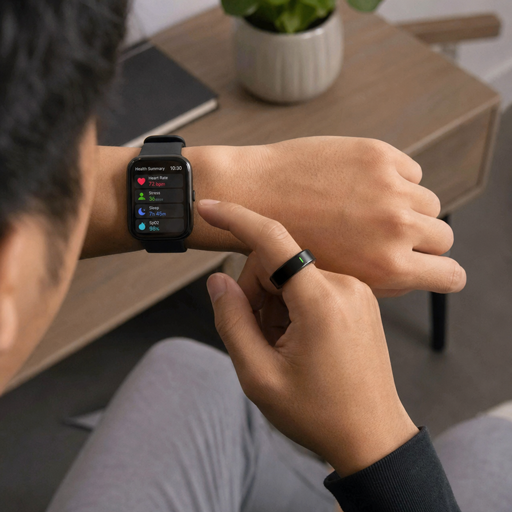
ext-Gen Wearables are moving beyond simple step counting and becoming everyday tools for health awareness, productivity, safety, and personal convenience. The category now includes smartwatches, rings, patches, glasses, earbuds, and clothing with embedded sensors, all designed to make technology feel less like a separate screen and more like a natural part of daily life. As wearable technology becomes more capable, the biggest question is not whether people will wear more smart devices, but how useful, trusted, and invisible those devices can become.
What makes Next-Gen Wearables different from today’s devices?
Next-Gen Wearables are different because they are expected to do more than collect data; they interpret context, personalize feedback, and connect with broader digital ecosystems. Traditional fitness trackers focused mainly on steps, calories, heart rate, and workouts, while newer devices are expanding into sleep quality, stress patterns, temperature trends, location-aware assistance, safety alerts, and continuous health monitoring. The FDA describes digital health as a broad field that includes wearable devices, mobile health, telehealth, health IT, and personalized medicine, which shows how wearables now sit inside a much larger health and technology landscape.
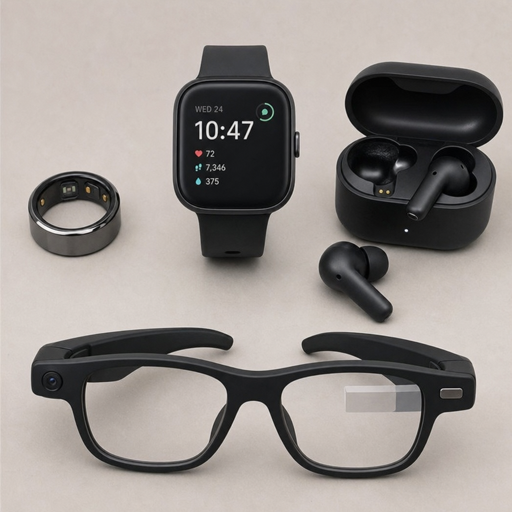
The difference also comes down to design. A wearable should not feel like a miniature phone strapped to the body. The next wave of tech accessories will be more specialized: a ring for sleep and recovery, earbuds for audio and biometric sensing, glasses for hands-free information, and patches for more consistent body data. Instead of one device trying to do everything, users may choose a small set of connected tools that each handle a specific job well.
This shift matters because the most valuable technology often becomes less noticeable over time. People do not want constant interruptions or confusing dashboards. They want timely insight, gentle nudges, and reliable help when it matters.
The wearable market is becoming broader and more personal
Wearables used to be easy to define: most people pictured a smartwatch or a basic band. That is no longer enough. The category now stretches across wellness, communication, entertainment, workplace safety, sports performance, accessibility, and medical-adjacent monitoring.
Market activity supports that broader view. IDC reported that global wearable device shipments reached 145.7 million units in the first quarter of 2026, up 4.3% year over year, and noted that wristbands face pressure from smartwatches and health-focused alternatives such as rings. That does not mean wrist-based devices are disappearing. It means the market is fragmenting into more personal choices, where form factor matters as much as features.
A runner may still prefer a rugged sports watch with physical buttons and long battery life. A busy professional may prefer a slim ring that tracks sleep without looking like another screen. A parent may care most about emergency alerts and location features. A clinician may be interested in trends that help a patient explain symptoms more clearly during a visit.
The future of wearable technology will likely be less about owning “the best device” and more about wearing the right device for the right context.
Health monitors are becoming everyday companions
Health monitors are one of the most important parts of the next wearable era. Many consumers already use smartwatches and fitness trackers to understand activity, sleep, and heart rate patterns, but future devices will push further into continuous, passive, and more personalized insights. Research on wearable sensors points to a broader shift from reactive healthcare toward more proactive and personalized health monitoring, although consumer devices still vary in quality, accuracy, and intended use.
That last point is important. A wearable can be useful without being a medical device. It can help someone notice that poor sleep follows late caffeine, that resting heart rate rises after intense travel, or that recovery improves when training volume drops. Those insights are not a diagnosis, but they can encourage better questions, healthier routines, and earlier conversations with professionals when something feels off.
The value of trends over single readings
For most users, the real benefit comes from long-term patterns. A single high heart rate reading may not mean much by itself. A repeated pattern of elevated resting heart rate, poor sleep, and lower activity may be more useful because it shows a change from a person’s normal baseline.
This is where Next-Gen Wearables can become more helpful than older devices. Instead of showing isolated numbers, they can interpret patterns across multiple signals and explain what changed. The best experience will not simply say, “Your sleep score is low.” It will help the user understand likely contributors, such as inconsistent bedtime, late workouts, alcohol, illness, stress, or travel.
The limits still matter
Wearables are improving, but they are not magic. Fit, skin tone, motion, sweat, sensor placement, battery-saving modes, and software interpretation can affect readings. Many wellness features are designed for general awareness rather than clinical decision-making.
That is why future health-focused wearables need better transparency. Users should know what a feature measures, what it estimates, what it cannot detect, and when they should seek professional advice. Trust will depend as much on clear communication as on advanced sensors.
Smartwatches will evolve into personal operating systems
Smartwatches are likely to remain central because they combine sensors, display, apps, payments, communication, and quick controls in one familiar form. But their future is not just more apps on a smaller screen. The better direction is a more selective, context-aware experience that reduces friction.
A next-generation smartwatch might recognize that the user is driving and surface navigation quietly. It might notice a workout has started without requiring manual setup. It might prioritize a family call but silence low-value notifications during sleep or focused work. In other words, the watch becomes less of a notification mirror and more of a personal operating system for the body and the day.
The challenge is restraint. If smartwatches become too noisy, users will disable alerts or stop wearing them. The winning devices will understand when not to interrupt.
Fitness trackers will become smarter coaches
Fitness trackers have always promised motivation, but future versions will need to move beyond streaks and badges. The next opportunity is coaching that adapts to the individual. Instead of pushing every user toward more steps, more intensity, and more activity, smarter trackers can help people balance effort, recovery, and consistency.
A useful wearable coach might consider:
- Baseline behavior: What is normal for this person, not an average user?
- Recovery signals: Did sleep, resting heart rate, or recent training suggest a lighter day?
- Goal type: Is the person training for endurance, strength, weight management, general wellness, or stress relief?
- Lifestyle context: Did travel, illness, work stress, or schedule disruption affect the plan?
- Adherence patterns: What kind of reminders actually help without becoming annoying?
This is where personalization becomes practical. A beginner does not need the same guidance as an experienced athlete. A shift worker does not need the same sleep advice as someone with a predictable schedule. A person returning from injury needs encouragement that respects limits, not pressure to hit a generic target.
Next-Gen Wearables can make fitness feel less like punishment and more like responsive support. The best devices will help users do the right amount of work, at the right time, with fewer guesses.
How will AI change wearable technology?
AI will change wearable technology by turning raw sensor data into more useful, personalized, and timely guidance. Instead of asking users to interpret charts on their own, AI-enabled smart devices can summarize patterns, detect unusual changes, and recommend next steps based on the user’s habits and goals. The promise is convenience, but the responsibility is accuracy, fairness, privacy, and clear explanation.
This matters because wearables generate a lot of small signals. Heart rate, movement, sleep timing, skin temperature, breathing patterns, location, and app behavior can be overwhelming if presented as disconnected data points. AI can help connect those dots.
Smarter summaries
One likely improvement is the daily or weekly health summary. Rather than showing ten separate graphs, the device could explain what changed and why it may matter. For example, it might say that recovery appears lower than usual after two short nights of sleep and a harder-than-normal workout.
The key is to avoid overconfidence. A good wearable assistant should use careful language, explain uncertainty, and distinguish between wellness guidance and medical advice.
More useful alerts
Alerts are another area where AI could help. Today, users often face a choice between too many notifications or too little insight. A better system would learn which alerts are important, which are repetitive, and which should be bundled into a quieter summary.
For health monitors, alerts must be especially thoughtful. A false alarm can cause anxiety, but a missed warning can reduce trust. Future devices will need to balance sensitivity with context, and companies will need to explain what their alerts are designed to do.
More accessible interfaces
AI can also make wearables easier to use. Voice commands, natural-language summaries, and adaptive interfaces can help people who do not want to dig through menus. For users with disabilities, hands-free controls and personalized prompts could make smart devices more inclusive.
Still, AI is only useful when it serves the person wearing the device. If the experience becomes confusing, intrusive, or too dependent on subscriptions and locked ecosystems, users may resist it.
Privacy and trust will decide the winners
The future of wearables depends on trust. These devices can collect deeply personal information: sleep habits, heart patterns, stress indicators, location, routines, fertility-related signals, and activity levels. That makes privacy more than a settings menu. It is a core product feature.
Health data deserves particular care. WHO guidance on digital health emphasizes cybersecurity and privacy risk assessment for systems that can include cloud computing, mobile apps, connected medical devices, and AI applications. As wearables become more connected, companies need to protect data not only on the device, but also in apps, cloud services, APIs, and partner integrations.
What users should look for
Consumers do not need to become cybersecurity experts, but they should ask better questions before buying or connecting a device:
- Data control: Can you delete your data, export it, or limit what is collected?
- Encryption: Is data protected on the device, in transit, and in cloud storage?
- Sharing settings: Can you choose whether data is shared with apps, advertisers, employers, insurers, or research programs?
- Local processing: Does the device process sensitive information on-device when possible?
- Clear permissions: Are privacy choices written in plain language?
- Security updates: Does the company provide regular software and firmware updates?
Privacy will become a competitive advantage. The most trusted wearable brands will not simply promise innovation; they will show users how their information is protected and give them meaningful control.
Medical use will require clearer boundaries
As health features become more advanced, the line between wellness device and medical tool becomes more important. A sleep tracker, activity reminder, or stress trend may be designed for general wellness. An ECG feature, abnormal rhythm notification, or sensor-based clinical tool may require a different level of validation, oversight, and user instruction.
A recent U.S. Government Accountability Office report explained that wearables can fall into several categories: medical devices under FDA oversight, products that may be medical devices but are treated as low-risk general wellness devices, and wearables that are not medical devices. This distinction matters because consumers often assume that every health feature has the same level of testing or clinical meaning, when that is not necessarily true.
For the future of health monitors, clarity will be essential. Companies should explain whether a feature is meant for general wellness, screening, tracking, or clinical use. Users should understand whether a result is an estimate, a trend, an alert, or a medically validated measurement.
Clinicians also need practical workflows. If patients bring months of wearable data to appointments, doctors need useful summaries rather than endless charts. The future is not a physician scrolling through every step count. It is a clean view of relevant trends, symptoms, and exceptions that helps the conversation.
Design will become smaller, softer, and more invisible
The next stage of wearable design will be shaped by comfort. A device can have brilliant features, but if it is bulky, itchy, fragile, or embarrassing to wear, it will not become part of everyday life. Wearables succeed when they fit naturally into routines.
That means the future will include more options beyond the wrist. Smart rings are popular because they are discreet. Sensor patches can stay close to the body for more consistent readings. Smart clothing may help in sports, physical therapy, industrial work, or elder care. Smart glasses may offer hands-free information, translation, navigation, and camera-based assistance.
Fashion and function will merge
Tech accessories are also personal style choices. People wear watches, jewelry, glasses, and earbuds in public, so appearance matters. The most successful products will offer flexibility in materials, colors, sizes, and form factors.
This may sound cosmetic, but it affects adoption. A device that looks medical may be useful but stigmatizing. A device that looks stylish but works poorly becomes a novelty. The sweet spot is technology that feels personal, comfortable, and reliable.
Battery life will shape behavior
Battery life is another design issue that directly affects usefulness. If a wearable must be charged every night, it may miss sleep tracking. If smart glasses drain quickly, users may save them for occasional moments instead of relying on them throughout the day.
Future devices will need better power efficiency, faster charging, and smarter modes that preserve battery without disabling the features people bought them for. Energy harvesting, improved chips, and more efficient displays may all play a role, but the user experience is the point: fewer interruptions, less charging anxiety, and more continuous value.
The future will be a connected ecosystem
Next-Gen Wearables will not operate alone. Their value will grow when they connect responsibly with phones, cars, homes, workplaces, healthcare systems, and payment networks. A smartwatch can unlock a door, control music, authenticate identity, start a workout, guide a commute, and share emergency information.
But connection cuts both ways. A more connected ecosystem can be convenient, but it can also create lock-in. Users may find that their watch works best with one phone brand, their ring requires a separate subscription, and their health data is scattered across apps.
A better future would make interoperability a priority. People should be able to move data, switch devices, and connect services without losing years of history. That will require better standards, clearer permissions, and more pressure from consumers who want flexibility.
Everyday scenarios will define real value
The future of wearable technology becomes easier to understand when you look at everyday use cases. The most exciting features are not always the flashiest. Often, they are the ones that remove friction from ordinary moments.
Here are practical scenarios where next-generation smart devices can make a difference:
- Morning health check-in A wearable summarizes sleep, recovery, and schedule demands, then suggests whether to train hard, take a walk, or prioritize rest.
- Safer outdoor exercise A smartwatch or fitness tracker shares location with a trusted contact, detects a hard fall, and provides route guidance without requiring the user to hold a phone.
- Hands-free work support Smart glasses display instructions, translations, or checklists while keeping hands free for repairs, healthcare tasks, warehouse work, or field service.
- Better stress awareness A ring or watch notices patterns linked with poor sleep and high strain, then suggests breathing exercises, schedule changes, or a break before burnout builds.
- Elder care and independence A comfortable wearable helps detect falls, missed routines, or changes in activity while allowing older adults to remain more independent.
- More informed medical conversations A patient brings a concise trend summary to a clinician instead of relying only on memory, making it easier to discuss symptoms and lifestyle factors.
These examples show why wearables are not just gadgets. At their best, they become quiet support systems.
The biggest challenges are human, not technical
It is tempting to assume the future of wearables will be decided by better sensors and faster chips. Those things matter, but the harder problems are human. People need to understand the information, trust the source, and feel that the device improves life rather than adding pressure.
Too much tracking can become stressful. A person may wake up feeling fine, see a poor sleep score, and start the day discouraged. Another user may chase metrics so aggressively that wellness becomes another source of anxiety. Next-Gen Wearables need to encourage self-awareness without turning every moment into a performance review.
Better defaults will help
Companies can reduce overload by designing better defaults. Instead of showing every metric immediately, a device can highlight what is most relevant. Instead of pushing streaks endlessly, it can normalize rest and recovery. Instead of using fear-based alerts, it can offer calm, practical guidance.
A healthier wearable experience should support agency. The user should feel informed, not judged.
Inclusivity must be built in
Wearables also need to work for more people. That includes different wrist sizes, skin tones, mobility levels, sensory preferences, languages, ages, and health conditions. If a product is designed around a narrow image of the “average” user, it will miss the needs of many real users.
Inclusive design is not only ethical; it is practical. A wearable that fits more bodies, explains data clearly, and adapts to different routines will be more useful in the real world.
A buyer’s checklist for future-ready wearables
Anyone choosing a wearable today should think beyond the feature list. The best choice is not always the newest or most expensive device. It is the one that fits your goals, habits, and comfort level.
Use this checklist before buying:
- Define the main purpose. Are you buying for fitness, sleep, safety, productivity, health awareness, or style?
- Check comfort first. If you will not wear it consistently, the data and features will not matter.
- Look at battery life realistically. Consider when you will charge it and what tracking you might miss.
- Review privacy controls. Make sure you understand what data is collected and how it may be shared.
- Understand health claims. Separate wellness insights from regulated medical features.
- Consider ecosystem fit. Confirm that the device works well with your phone, apps, and preferred services.
- Evaluate subscriptions. Some features may require ongoing fees, so check what is included.
- Prioritize clear insights. A device should help you act, not just give you more numbers.
This approach keeps the focus on usefulness. A wearable should earn its place on your body every day.
The next era is about meaningful assistance
The future of Next-Gen Wearables is not simply a future of more screens, more alerts, or more metrics. It is a future where technology becomes more personal, more contextual, and ideally more respectful of attention and privacy. The most successful devices will combine accurate sensing, thoughtful design, useful AI, strong security, and clear communication.
Smartwatches, fitness trackers, health monitors, rings, earbuds, glasses, and other tech accessories will continue to evolve, but their purpose should remain simple: help people understand their bodies, navigate their days, and make better decisions with less friction. If the industry gets that balance right, wearable technology will feel less like something users manage and more like something that quietly supports them.
The next generation of wearables will not be defined by novelty alone. It will be defined by trust, comfort, and meaningful help at the exact moment people need it.
