
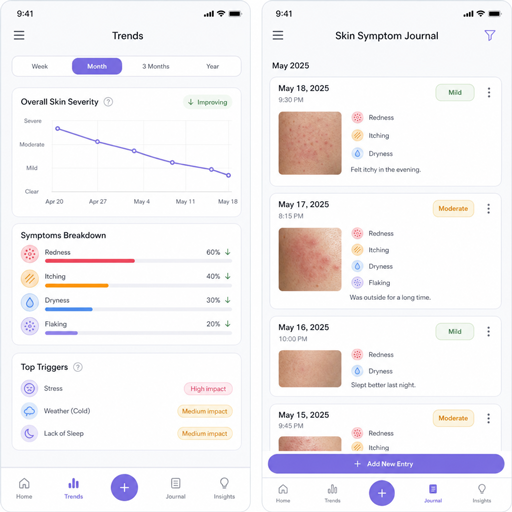
Health-focused wearables are moving beyond step counts and workout summaries into a broader role: helping people notice patterns in sleep, stress, recovery, temperature, heart rate, and even possible changes in skin health. Fitness trackers, activity trackers, and newer smart health devices cannot replace a clinician or dermatologist, but they can make everyday body signals easier to observe. Used thoughtfully, wearable technology can support better personal awareness, earlier conversations with care providers, and more consistent health routines.
What do health wearables have to do with skin diagnostics?
Health wearables relate to skin diagnostics in two main ways: they collect signals through the skin, and some emerging devices are designed to assess skin-related conditions more directly. Most health tracking devices sit against the wrist, arm, finger, chest, or face, where sensors can read changes in blood flow, temperature, sweat, movement, and light reflection. Those measurements can reveal useful trends, but they need context because skin tone, hydration, irritation, fit, tattoos, body hair, and environmental conditions can all affect readings.
Skin is not just a surface; it is a sensing environment. A wearable fitness tech device that tracks heart rate, oxygen saturation, or temperature often depends on how well its sensors interact with the skin. If the device is too loose, too tight, dirty, or placed over irritated skin, its data may become less reliable. That is why skin health and wearable accuracy are closely connected, even when the device is not marketed as a skin diagnostic tool.
The next phase of wearable technology is also expanding into more skin-specific use cases. Examples may include sensors that look for changes in hydration, inflammation, ultraviolet exposure, wound recovery, sweat composition, or temperature variations around a specific area. These tools are best understood as support systems for observation, not standalone diagnostic authorities.
The evolution from fitness tracking to health intelligence
Early fitness trackers focused heavily on movement: steps, distance, calories, and workout duration. That basic activity tracking still matters because movement is tied to cardiovascular health, sleep quality, weight management, and energy levels. Over time, however, users began expecting more than a daily step total.
Modern health wearables now combine activity data with heart rate trends, sleep staging, respiratory rate, blood oxygen estimates, stress indicators, cycle tracking, body temperature variation, and recovery scores. Some devices also integrate with mobile apps that let users log symptoms, medication, nutrition, hydration, or skin concerns. When these layers are viewed together, the device becomes less like a pedometer and more like a personal health dashboard.
This shift is important for skin health because skin conditions rarely exist in isolation. Stress, sleep loss, hormonal changes, exercise, sun exposure, allergies, medications, and inflammation can all influence skin appearance and comfort. A wearable cannot explain every rash, flare-up, lesion, or irritation, but it may help reveal patterns around when changes happen.
For example, a person might notice that skin redness seems worse after poor sleep, high stress days, long outdoor workouts, or intense sweating. Another person might use temperature trends and symptom logs to decide when to contact a clinician about persistent inflammation. The value is not in treating the device as a doctor; it is in using the data to ask better questions.
How wearable sensors collect health signals through the skin
Most smart health devices rely on sensors that interact with the body at close range. The skin is the bridge between the device and the internal signals it is trying to estimate. Understanding this helps users interpret data more realistically.
Optical sensors
Many fitness trackers use optical sensors that shine light into the skin and measure reflected light. This method, often used for heart rate tracking, estimates changes in blood volume beneath the skin. It is convenient and noninvasive, but readings can be affected by motion, device position, skin characteristics, and sensor quality.
Optical data can be useful for resting heart rate trends, workout intensity, and recovery estimates. It may be less reliable during high-impact exercise, when the device shifts on the wrist, or when the sensor does not maintain consistent contact. Users should pay attention to long-term trends rather than treating every single reading as exact.
Temperature sensors
Some health tracking devices measure skin temperature or temperature variation. Skin temperature is not the same as core body temperature, but changes may still be meaningful when viewed over time. Temperature trends can be influenced by sleep environment, illness, hormonal cycles, alcohol, exercise, bedding, and room temperature.
For skin health diagnostics, localized warmth can sometimes be relevant when monitoring irritation, inflammation, or wound recovery. Consumer wearables usually are not designed to diagnose those concerns directly, but temperature-aware wearable technology may help users notice when a pattern deserves closer attention.
Sweat and hydration-related sensing
Sweat contains information about hydration, electrolytes, exertion, and physiological stress. Some emerging health wearables and research-oriented devices explore sweat analysis as a way to understand the body without blood draws. In everyday consumer products, sweat can also interfere with comfort and sensor contact.
For skin health, sweat matters because trapped moisture, friction, and occlusion under a band or sensor can irritate the skin. A device that is useful for tracking workouts can become uncomfortable if the strap is not cleaned, dried, or adjusted properly. Wearable health habits should include skin care habits.
Motion and pressure sensing
Accelerometers and gyroscopes measure movement, posture, and activity patterns. These sensors are central to activity trackers because they help estimate steps, exercise type, sleep movement, and sedentary time. Pressure or contact sensors can also help determine whether a device is positioned correctly.
Motion data may indirectly support skin health by showing behavioral patterns. Long periods of inactivity can affect circulation and comfort. Repeated friction from workouts, straps, helmets, or gear may contribute to irritation. When paired with a symptom log, activity data can help users spot triggers they might otherwise miss.
The skin-related possibilities of wearable technology
Wearable technology is already familiar in fitness, sleep, and heart health. Its role in skin-related monitoring is still developing, but several practical categories are emerging.
UV exposure awareness
Sun exposure is one of the clearest areas where health wearables can support skin-conscious behavior. UV-aware devices or app-connected sensors may help users understand when exposure is high and when protective habits matter. Even when a device does not measure UV directly, activity trackers can show how much time a person spends outdoors.
This is useful because people often underestimate sun exposure during commutes, outdoor workouts, errands, and cloudy days. A wearable reminder cannot replace sunscreen, protective clothing, shade, or medical skin exams, but it can encourage more consistent prevention habits.
Skin temperature and inflammation clues
Skin temperature patterns can sometimes reflect changes in recovery, illness, circulation, or localized irritation. A wearable that captures temperature variation may help a user notice unusual shifts, especially when paired with symptoms such as redness, swelling, tenderness, or fatigue. The key is to treat the device as a trend detector, not as a diagnosis engine.
If a skin area becomes painful, hot, rapidly changing, or associated with fever or spreading redness, the appropriate next step is medical evaluation. The wearable’s role is to provide context: when the change appeared, whether it followed exercise or injury, and whether other body signals changed at the same time.
Wound and recovery monitoring
Specialized wearable sensors may support wound care by monitoring moisture, temperature, pressure, or healing environments. These are different from general consumer fitness trackers and are often designed for more specific clinical or care settings. The promise is simple: wounds and fragile skin need consistent observation, and sensors may help detect changes earlier than occasional visual checks alone.
For general consumers, the practical lesson is still relevant. If you are recovering from a cut, blister, procedure, or irritation, pay attention to friction from bands and devices. Remove or reposition wearables if they rub the area, trap moisture, or interfere with healing.
Skin barrier comfort and irritation prevention
The most immediate skin issue with health wearables is not high-tech diagnostics. It is everyday irritation. Bands can trap sweat, soap, sunscreen, dirt, and bacteria against the skin. Tight devices can create pressure marks, while loose devices can slide and cause friction.
Good wearable habits reduce these problems. Clean the device regularly, dry the skin before wearing it, avoid over-tightening, rotate placement when possible, and take breaks if redness appears. If irritation persists, switching band materials or pausing use may be necessary.
What can wearables tell you, and what can’t they tell you?
Wearables can tell you about patterns, trends, and changes in measurable signals, but they cannot reliably diagnose most skin conditions on their own. Health tracking devices are strongest when they show repeated patterns over time, such as changes in sleep, resting heart rate, activity, temperature variation, or workout recovery. They are weakest when users treat a single reading as a medical conclusion.
A useful way to think about health wearables is to separate “data” from “meaning.” The device may collect a number, estimate a score, or flag a change. The meaning depends on context: symptoms, medical history, environment, medications, device fit, and whether the signal persists.
For skin health diagnostics, this distinction matters. A wearable may show increased temperature, poor sleep, elevated stress, or reduced activity around the time of a skin flare. That does not prove the cause. It does, however, give you a clearer timeline to share with a professional.
Use wearable data to support better decisions, such as:
- Documenting patterns: Track when skin symptoms appear, how long they last, and what else changed that day.
- Improving routines: Notice whether sleep, hydration, exercise, or outdoor exposure seems connected to skin comfort.
- Prompting care: Seek professional advice when a skin change is new, persistent, painful, spreading, bleeding, or rapidly evolving.
- Supporting conversations: Bring trend summaries to appointments instead of relying only on memory.
- Avoiding false certainty: Treat device alerts as signals to investigate, not final answers.
Choosing health tracking devices with skin comfort in mind
Choosing wearable fitness tech is not only about features. The best device is one you can wear consistently without discomfort, confusion, or unrealistic expectations. A feature-rich device that irritates your skin or overwhelms you with data may be less useful than a simpler tracker you can use comfortably.
Fit and materials
Band material matters. Silicone and synthetic bands are common for workouts because they resist sweat, but some people find them irritating during long wear. Fabric, leather, metal, or alternative hypoallergenic-style bands may feel better for certain users, though each has its own cleaning and durability considerations.
Fit should be snug enough for sensor contact but not tight enough to leave deep marks or restrict comfort. During exercise, a slightly firmer fit may improve tracking. During rest, loosening the band can reduce pressure and moisture buildup.
Sensor placement
Wrist-based fitness trackers are convenient, but the wrist is not always the most stable location for every measurement. Rings, chest straps, patches, and arm bands may collect certain signals differently. If accurate workout heart rate is a priority, for example, some users prefer a dedicated chest or arm sensor.
For skin comfort, placement also determines friction and exposure. A wrist device may rub during typing, lifting, or sleep. A ring may be affected by swelling or handwashing. A patch may be more directly affected by adhesive sensitivity.
App clarity and data control
The device is only as useful as the app experience behind it. Look for health wearables that present trends clearly, explain what scores mean, and allow you to export or review data without confusion. If skin symptoms are part of your concern, choose tools that let you add notes, tags, or journal entries.
Privacy also matters. Health and skin-related data can be personal. Before committing to a device, review what information is collected, how it is stored, whether it can be shared, and what controls you have over deletion or permissions.
Battery life and daily routine
A device that dies frequently may create gaps in data. Battery life affects whether you can track sleep, workouts, and daytime patterns consistently. Charging habits should fit naturally into your routine, such as charging during showers or desk time.
Consistency is especially important for trend-based insights. If you only wear a tracker occasionally, it may still be useful for workouts, but it will be less helpful for understanding sleep, temperature variation, recovery, or recurring skin-related patterns.
A practical checklist for using wearables safely on skin
Health wearables work best when they are paired with simple hygiene and observation habits. This checklist helps reduce irritation and improve the quality of your readings.
- Clean the device and band regularly, especially after workouts, sunscreen use, or heavy sweating.
- Dry your skin before putting the device back on so moisture is not trapped under the sensor.
- Avoid wearing the band too tightly during all-day use; pressure can cause marks and discomfort.
- Take breaks when redness appears and wait for the skin to calm before resuming wear.
- Rotate wrists or positions if the device design allows it to reduce repeated friction in one spot.
- Do not place sensors over broken, infected, or severely irritated skin unless directed by a healthcare professional.
- Be cautious with adhesives if you have a history of sensitivity or contact dermatitis.
- Record symptoms in the app or a separate journal so skin changes can be compared with sleep, stress, workouts, or outdoor exposure.
- Seek medical care for concerning changes such as spreading redness, severe pain, fever, unusual bleeding, or a mole or lesion that changes noticeably.
This kind of routine may seem basic, but it directly affects both comfort and data quality. A clean, well-positioned device is more likely to stay in contact with the skin and less likely to create the very irritation you are trying to monitor.
Making sense of data without overreacting
One challenge with smart health devices is that they can create more information than people know how to use. Daily scores and alerts may feel urgent, even when they reflect normal variation. Skin health adds another layer because visible changes can be emotionally stressful.
A balanced approach is to look for repeated patterns rather than isolated numbers. If your sleep score drops one night, your skin feels dry, and your workout recovery looks poor, the most likely response may be rest, hydration, and observation. If those changes continue, worsen, or come with concerning symptoms, that is when professional guidance becomes more important.
It also helps to create a simple personal baseline. Wear the device consistently for a few weeks under normal conditions, then learn what is typical for you. Once you know your usual resting heart rate range, sleep rhythm, temperature pattern, and activity level, unusual changes become easier to recognize.
How wearable data can support a healthcare visit
Wearable data can make healthcare conversations more specific. Instead of saying, “This keeps happening,” you may be able to say, “This flare appeared after three nights of poor sleep and two long outdoor workouts,” or “The redness started the same week I changed bands and increased training.” That kind of timeline can help guide better questions.
Before an appointment, organize only the most relevant information. Clinicians do not need every data point from every day. They need clear patterns, symptom descriptions, timing, photos if appropriate, and any changes in products, medications, exercise, diet, travel, or environment.
A helpful appointment summary may include:
- When the skin change started and whether it has improved or worsened.
- Where it appears and whether it is painful, itchy, warm, bleeding, or spreading.
- Whether a wearable, band, adhesive, sunscreen, soap, or topical product contacts that area.
- Recent changes in sleep, stress, workouts, outdoor exposure, or illness.
- Screenshots or summaries of relevant trends, not an overwhelming stream of raw data.
Wearables are most useful in care settings when they support the story rather than dominate it. The skin exam, medical history, and clinician’s judgment remain central.
The future of health wearables and skin diagnostics
The future of health wearables will likely be more personalized, more sensor-rich, and more integrated with care systems. Devices may become better at distinguishing signal from noise, adjusting for individual baselines, and combining multiple inputs such as temperature, motion, sweat, light exposure, and user-reported symptoms. For skin health, that could mean more practical tools for monitoring risk, comfort, healing, and environmental exposure.
Still, the most valuable future may not be a device that claims to diagnose everything. It may be wearable technology that helps people notice meaningful changes earlier, practice prevention more consistently, and share clearer information with professionals. In that role, health wearables become part of a larger health routine rather than a replacement for expertise.
For now, the best approach is grounded and practical: choose comfortable health tracking devices, keep them clean, learn your baseline, log skin changes when they occur, and seek medical advice for anything persistent or concerning. Fitness trackers and activity trackers can support a healthier lifestyle, but their greatest value comes from informed use. When the data is paired with common sense and professional care when needed, wearable fitness tech can become a helpful companion for both whole-body wellness and better skin awareness.