
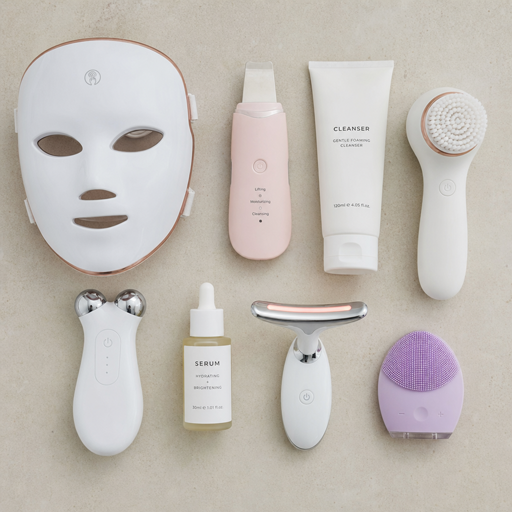
Beauty routines are becoming more personalized, more data-aware, and more device-driven. Multi-technology beauty devices bring several treatment modes into one tool, helping users address cleansing, toning, radiance, firmness, and product absorption without filling a drawer with separate gadgets. For anyone exploring skincare technology, the key is understanding what each feature is designed to do, how to use it consistently, and where realistic expectations matter.
What makes a beauty device “multi-technology”?
A beauty device is considered multi-technology when it combines two or more skincare functions in a single tool, such as LED light, microcurrent, vibration, heat, cooling, sonic cleansing, or app-guided routines. Instead of relying on one mechanism, these advanced beauty tools are built to support different steps in a routine, from preparation to targeted treatment to finishing care.
That combination is what makes multi-technology beauty devices appealing. A person might use gentle sonic cleansing to remove buildup, red or blue LED settings as part of a targeted routine, and warming massage to help skin feel relaxed before applying serum. The device does not replace a thoughtful skincare routine, but it can make that routine feel more complete and intentional.
The best way to think about these tools is as routine enhancers. They work best when paired with daily sunscreen, appropriate cleansers, moisturizers, and active ingredients that suit the user’s skin. High-tech beauty should simplify better habits, not make skincare feel confusing or excessive.
The technologies commonly found in advanced devices
Most smart beauty gadgets are built around a few familiar technologies. The exact mix varies by device, but understanding the main categories makes it easier to compare products and read beauty device reviews with a critical eye.
LED light modes
LED light is common in masks, wands, and panel-style beauty tech devices. Different colors are typically marketed for different cosmetic goals, such as supporting a clearer-looking complexion or a more even appearance. Because devices vary in design and intensity, users should follow the manufacturer’s instructions carefully and avoid assuming that every LED feature performs the same way.
LED tools are often best for people who enjoy consistent, low-effort routines. A mask or handheld wand may not create an instant transformation, but it can become a steady part of a weekly skincare ritual. Eye protection, treatment time, and frequency are important details to check before use.
Microcurrent and facial toning
Microcurrent devices are often promoted for facial contouring and a more lifted-looking appearance. They typically require a conductive gel and slow, deliberate movement across the face. The experience should be comfortable; if a device stings or drags, the user may need more conductive product or a lower setting.
This is one area where consistency matters more than intensity. People often become impatient and overuse advanced beauty tools, but more is not always better. Following the recommended schedule helps reduce irritation and supports a more sustainable routine.
Heat, cooling, and vibration
Temperature-based features are popular because they are easy to understand and pleasant to use. Gentle warmth can make a routine feel spa-like and may help products spread smoothly. Cooling features are often used when skin feels puffy, warm, or tired, especially around the eyes or cheeks.
Vibration and massage modes add another layer. They can make cleansing feel more thorough or help a serum glide across the skin with less pulling. While these features may seem simple, they often determine whether a device feels enjoyable enough to use regularly.
Sonic cleansing and exfoliation support
Sonic cleansing brushes and silicone cleansing devices are designed to help loosen surface debris more evenly than hands alone. The goal is not to scrub aggressively. A gentle cleanser, light pressure, and short treatment time are usually enough.
For sensitive or dry skin, sonic cleansing may be better as an occasional step rather than a daily habit. Users should watch for tightness, redness, or flaking, which may signal that the routine is too harsh. Smart skincare technology is most useful when it encourages observation, not autopilot.
Why are smart beauty gadgets so popular now?
Smart beauty gadgets are popular because they give people more control over their routines while making professional-inspired technology feel accessible at home. They also fit the way many consumers now shop: they compare beauty device reviews, look for multifunctional value, and want tools that can adapt as their skin goals change.
Convenience is a major factor. A single device with cleansing, massage, LED, and warming functions can feel more practical than buying several separate tools. For people who travel or prefer minimal storage, multi-function design is a clear advantage.
Personalization also plays a role. Some beauty tech devices include intensity levels, treatment timers, memory settings, or app guidance. These features can help users build a routine that feels tailored rather than generic, especially when they are trying to stay consistent.
There is also an emotional element. High-tech beauty can make skincare feel more engaging. A five-minute device routine at night may become a calming transition between a busy day and rest, which can make the habit easier to maintain.
Benefits of multi-technology beauty devices
The strongest benefit of multi-technology beauty devices is versatility. When one tool supports several routine steps, it can adapt to different skin days, seasons, and goals. A user might choose cleansing and cooling during hot weather, then lean on warming massage when skin feels dry or dull.
These devices may also help people become more intentional with skincare. Instead of rushing through products, the device creates a reason to slow down and apply formulas evenly. That can reduce waste and make the entire routine feel more mindful.
Practical benefits often include:
- Fewer separate tools: One device can cover multiple routine needs, depending on its modes.
- More consistent habits: Timers, guided settings, and comfortable designs can encourage regular use.
- Customizable routines: Adjustable intensity levels allow users to start gently and build slowly.
- Better product experience: Massage, warmth, or vibration can help products spread smoothly without tugging.
- At-home convenience: Users can add a treatment step without scheduling an appointment.
Still, it is important to avoid treating any device as a shortcut for every skin concern. Healthy-looking skin usually depends on a complete routine, lifestyle factors, and patience. Devices can support those habits, but they work best as one part of a broader plan.
How to choose the right device for your routine
The right device is the one that fits your actual skin needs, comfort level, and lifestyle, not simply the one with the longest feature list. A tool with six modes is only useful if those modes solve problems you genuinely have and feel simple enough to use consistently.
Start with your primary goal. If you mainly want a deeper-feeling cleanse, a sonic cleansing device may be more useful than a microcurrent wand. If you want a relaxing evening ritual, heat, cooling, and massage features may matter more than app connectivity.
Use this checklist before buying:
- Identify your top concern. Choose one or two priorities, such as dullness, texture, puffiness, or routine consistency.
- Match features to that concern. Avoid paying for technologies you are unlikely to use.
- Check ease of cleaning. A skincare device touches the face, so hygiene should be simple.
- Review usage time. A 15-minute routine may sound fine, but a five-minute tool might be easier to maintain.
- Look at power and charging. Consider battery life, charging style, and whether the device is travel-friendly.
- Read balanced beauty device reviews. Look for comments about comfort, durability, learning curve, and long-term use, not just first impressions.
- Consider skin sensitivity. If your skin reacts easily, choose adjustable intensity and gentle modes.
Price can matter, but value is not only about cost. A less expensive device used three times a week may be more valuable than a premium tool that stays in a drawer. The best advanced beauty tools fit naturally into the routine you already have.
Safe, realistic use matters
Even well-designed skincare technology needs thoughtful use. Many devices involve light, current, heat, exfoliation, or repeated movement over the skin, so following instructions is essential. Users with medical conditions, implanted devices, pregnancy-related concerns, active skin infections, or recent procedures should seek professional guidance before using certain tools.
Patch testing is also wise when a device requires gels, serums, or conductive products. Sometimes the reaction comes from the formula rather than the tool itself. Introducing one new device or product at a time makes it easier to identify what your skin likes.
Common mistakes to avoid include:
- Using the highest intensity immediately instead of starting low.
- Pressing too hard with cleansing or massage devices.
- Combining multiple exfoliating steps in the same routine.
- Using a device over irritated, sunburned, or broken skin.
- Skipping sunscreen while using routines that focus on brightness or texture.
- Ignoring cleaning instructions between uses.
Realistic expectations are just as important as safety. Smart beauty gadgets can make a routine more enjoyable and targeted, but they should not be expected to perform like in-office treatments or replace professional advice. Progress, when it happens, is usually tied to steady use and good skin habits over time.
Trends shaping high-tech beauty
High-tech beauty is moving toward personalization and simplicity at the same time. Consumers want devices that feel advanced, but they also want clear instructions and fewer confusing steps. This is pushing brands to design tools that are more intuitive, ergonomic, and routine-friendly.
App-connected guidance is one visible trend. Some devices offer reminders, routine tracking, or mode recommendations. While these features can be helpful, they should make use easier rather than adding pressure or unnecessary complexity.
Another trend is the blending of wellness and skincare. Devices are increasingly designed to feel calming, with warming massage, cooling relief, and quiet operation. The experience matters because a pleasant tool is more likely to become a habit.
Sustainability and durability are also part of the conversation. A rechargeable device that replaces disposable accessories may appeal to users who want a more streamlined routine. However, buyers should still consider repairability, cleaning needs, and whether replacement parts are available.
Making technology work with simple skincare
A strong routine does not need to be complicated. In fact, multi-technology beauty devices often work best when the surrounding skincare is simple. A gentle cleanser, moisturizer, sunscreen, and a few targeted products can create a stable foundation.
From there, the device can be added with purpose. For example, a person might cleanse, use an LED mode as directed, apply serum, and finish with moisturizer. On another night, they might skip active ingredients and use cooling massage to keep the routine soothing.
The goal is not to use every mode every day. The goal is to understand what each feature does, choose the right moment for it, and pay attention to how the skin responds. That mindset turns beauty tech devices from novelty items into practical tools.
The bottom line
Advanced beauty tools can bring structure, enjoyment, and flexibility to an at-home skincare routine. The most useful multi-technology beauty devices are not necessarily the most complicated ones; they are the tools that match your goals, feel comfortable, and are easy to use consistently.
Before buying, look past buzzwords and focus on features, safety, cleaning, and real-world usability. With realistic expectations and a simple routine around it, skincare technology can become a smart, supportive part of caring for your skin.