
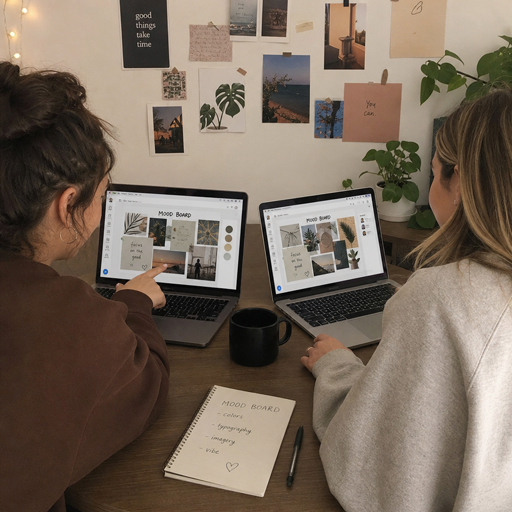
Digital scrapboarding brings the charm of memory keeping into a flexible online space where images, notes, colors, textures, and stories can live together. When it becomes collaborative, it turns into more than a personal archive: it becomes a shared creative workspace for families, friends, teams, classrooms, and communities. This article explores how collaborative digital scrapbooking and shared mood boards can help people collect inspiration, preserve moments, and shape visual ideas together.
What makes a shared mood board different from a digital scrapbook?
A shared mood board is usually built to capture a feeling, direction, or visual concept, while a digital scrapbook is often built to preserve memories, tell a story, or document an experience. The two can overlap beautifully: a mood board might inspire a wedding, home makeover, brand refresh, or vacation plan, while a scrapbook can capture what actually happened afterward. When combined, they create a living creative record that moves from inspiration to memory.
Think of a mood board as the “before” space and a scrapbook as the “during and after” space. The mood board gathers colors, references, layouts, quotes, and aesthetic cues. The scrapbook adds photos, captions, milestones, ticket stubs, scans, journal entries, and personal reflections. In collaborative digital scrapbooking, everyone can contribute their own perspective, which makes the finished board richer than anything one person could create alone.
Why collaboration changes the creative process
Traditional scrapbooking is often intimate and personal, but digital collaboration makes it easier to include people who are not in the same room. A sibling can upload childhood photos, a friend can add captions from a group trip, and a teammate can suggest design references for a campaign board. Instead of one person collecting everything after the fact, the project grows through many voices.
This shared process also reduces creative pressure. You do not need to have the perfect layout or complete story from the start. One person might be great at choosing colors, another at finding meaningful quotes, and another at organizing the timeline. The board becomes a creative conversation, not a blank page waiting for a single person to solve it.
Collaboration is especially useful when the project has emotional or practical importance. For example, a family reunion scrapbook can include memories from several generations. A classroom board can gather student reflections and visuals around a theme. A small business team can use shared mood boards to align on seasonal campaigns, packaging concepts, or content style before making final decisions.
Practical ways to use collaborative digital scrapbooking
Digital scrapboarding works well because it is adaptable. You can keep it casual and playful, or make it organized and goal-driven. The best approach depends on whether you are saving memories, planning an event, developing a visual identity, or simply collecting digital scrapbooking ideas for later.
Useful project types include:
- Family memory boards: Collect old photos, recipes, scanned letters, voice-note transcripts, and short stories from relatives.
- Travel scrapbooks: Invite everyone on a trip to add favorite photos, maps, restaurant notes, packing snapshots, and funny moments.
- Wedding or party planning boards: Combine inspiration images with real planning details, color palettes, fabric ideas, floral references, and venue photos.
- Creative team mood boards: Gather typography samples, photography styles, campaign references, product textures, and tone ideas.
- Classroom or club projects: Let each participant add research, reflections, illustrations, or media around a shared topic.
- Personal growth boards: Track goals, habits, milestones, affirmations, and monthly reflections with a trusted friend or group.
The key is to give the board a clear purpose. A board called “Summer Trip Memories” will invite different contributions than one called “Dream Summer Trip Inspiration.” Both are useful, but they guide people in different directions.
Choosing digital scrapbook themes that keep everyone aligned
Strong digital scrapbook themes make collaboration easier because they give contributors a shared creative frame. Without a theme, a board can quickly become a pile of unrelated images. With one, even varied contributions feel connected.
A theme does not have to be complicated. It can be based on a season, color palette, event, emotion, place, decade, or story arc. For a family history board, the theme might be “kitchens we grew up in” or “summer traditions.” For a travel scrapbook, it might be “small details from the city” rather than only landmark photos. For a brand mood board, it might be “warm, handmade, and modern.”
To make a theme more usable, define a few simple boundaries:
- Visual direction: Choose colors, textures, or image styles that fit the mood.
- Content focus: Decide whether the board should include memories, inspiration, planning notes, or all three.
- Contribution rules: Explain what people should add, such as photos, captions, links, sketches, or short reflections.
- Organization style: Group items by date, person, location, emotion, or project stage.
- Final purpose: Decide whether the board will remain digital, become a slideshow, support an event, or inspire a printed keepsake.
These guidelines keep the process open without letting it become chaotic. People still have room to be creative, but they understand what belongs on the board.
How can you keep a shared board organized without losing creativity?
You can keep a shared board organized by setting light structure early, then leaving space for spontaneous additions. Too many rules can make the project feel stiff, but no structure can make it hard to find anything later. A simple system of sections, labels, and agreed-upon roles usually works best.
Start with broad categories rather than narrow ones. For a group vacation scrapbook, categories like “arrival,” “food,” “favorite views,” “funny moments,” and “reflections” are easier to use than dozens of tiny folders. For a mood board, sections such as “color,” “texture,” “layout,” “photo style,” and “words” can help everyone sort ideas naturally.
It also helps to assign gentle roles. One person can tidy the board, another can invite contributions, and another can choose highlights for the final version. These roles should support the project, not control it. The goal is to make participation easier for everyone, including people who do not consider themselves “creative.”
Digital scrapbooking ideas for richer shared boards
The most memorable boards usually mix polished visuals with personal details. A beautiful image can set the tone, but a short note about why it matters gives the board emotional depth. Encourage contributors to add context instead of dropping in images without explanation.
Try these digital scrapbooking ideas to make a board feel more layered:
- Add short captions that explain who, where, when, and why a moment mattered.
- Use scanned handwriting, recipes, postcards, or children’s drawings for texture.
- Include color swatches pulled from meaningful photos.
- Create “then and now” sections for family, travel, home, or personal projects.
- Add quote cards with phrases people actually said during an event.
- Use small recurring design elements, such as frames, stickers, labels, or date stamps.
- Invite each contributor to choose one “favorite moment” and explain it in two or three sentences.
- Add a closing section for lessons learned, hopes, or next steps.
These details help a digital scrapbook feel human. They also make the board more enjoyable to revisit because it preserves not only what something looked like, but what it meant.
Shared mood boards for planning and decision-making
Shared mood boards are not only for memories. They are also powerful planning tools because they help people see whether they are imagining the same thing. Words like “cozy,” “bold,” “minimal,” or “vintage” can mean different things to different people. Visual references make those differences visible before time, money, or effort goes into the wrong direction.
For event planning, a shared mood board can clarify the atmosphere before choosing decorations, invitations, or outfits. For creative work, it can align a team before design begins. For home projects, it can help partners compare materials, furniture styles, and color preferences in one place.
A good planning board should include both inspiration and practical notes. If someone adds a photo of a floral arrangement, they can note whether they like the colors, the shape, the mood, or the specific flowers. That small detail prevents confusion later and turns the board into a decision-making tool rather than a random inspiration dump.
Simple habits that make collaboration smoother
Collaborative boards work best when participation feels easy. If people need to understand a complex system before adding anything, they may not contribute at all. Keep the setup simple, explain the purpose clearly, and make the first few additions yourself so others have a model to follow.
Helpful habits include:
- Create a short welcome note explaining the board’s purpose.
- Add example posts so contributors understand the expected style.
- Review and organize contributions regularly, not just at the end.
- Use consistent names for sections and labels.
- Encourage comments, but avoid over-editing other people’s memories.
- Save a backup or final export if the project is important.
Most importantly, respect the emotional nature of shared memories. Not every photo needs to be public within the group, and not every story belongs in a final version. Give contributors space to decide what they are comfortable sharing.
A shared creative space worth returning to
Collaborative digital scrapboarding works because it blends inspiration, memory, and participation. It gives people a place to gather ideas before something happens and preserve meaning after it does. Whether you are exploring digital scrapbook themes, building a family archive, planning a celebration, or collecting visual direction for a creative project, the shared format makes the work more inclusive and more expressive.
Start with a clear theme, invite thoughtful contributions, and keep the structure simple enough that people actually use it. The result is not just a prettier board. It is a shared record of how a group saw, planned, remembered, and created something together.
