
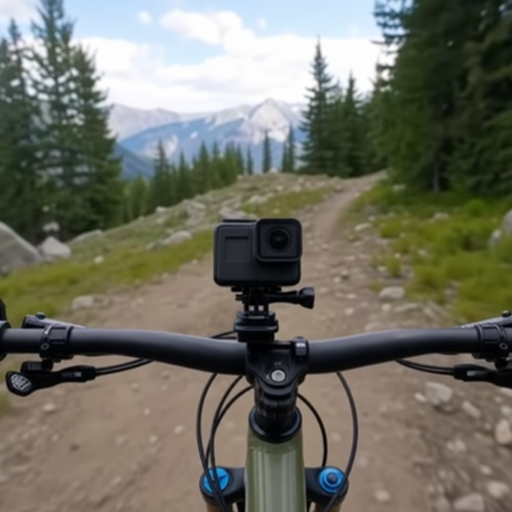
Action cameras have moved far beyond simple helmet-mounted recorders. Today’s next-gen action cameras are compact creative tools built for riders, divers, hikers, travelers, vloggers, coaches, and anyone who wants durable footage without carrying a full camera rig. This guide explains the action camera features that matter most, how to compare models, and which action camera accessories can help you get better shots in real-world conditions.
What makes an action camera “next-gen”?
A next-gen action camera is not defined by one flashy spec. It is a camera that combines strong image quality, smarter stabilization, rugged design, flexible mounting, and easier editing into a device small enough to go almost anywhere. The best action cameras make it simple to capture fast movement, rough terrain, changing light, and immersive point-of-view footage without forcing you to manage a complicated setup.
Older action cameras were mainly judged by resolution and durability. Those still matter, but modern users expect more. A strong current model should help smooth out shake, expose scenes intelligently, record clean audio when possible, connect reliably to a phone, and survive the environments it is designed for. In other words, “next-gen” means the camera works with you instead of making every shot feel like a technical project.
The core features that matter most
When comparing top action cameras, it is easy to get distracted by marketing language. The smarter approach is to focus on features that change the footage you can capture and the effort required to capture it. A camera with balanced performance will usually serve most users better than one that excels in only one area.
Image quality and resolution
Many shoppers start with 4k action cameras because 4K has become a practical baseline for sharp, flexible footage. Recording in 4K gives you more detail for large screens and more room to crop or reframe during editing. If you plan to create social videos, travel films, sports clips, or family adventures, 4K recording can help footage stay crisp across different platforms.
Resolution is only part of the story, though. Sensor quality, lens design, color processing, dynamic range, and low-light handling all influence how footage looks. A camera that captures balanced skies, detailed shadows, and natural skin tones may be more useful than one that simply advertises the highest possible resolution. When reading action camera reviews, look for comments about real scenes: bright snow, shaded forest trails, underwater footage, city lights, and fast changes between sun and shadow.
Stabilization that actually handles motion
Stabilization is one of the biggest reasons to choose a modern action camera. When you are skiing, biking, running, paddling, or filming from a moving vehicle, small vibrations can ruin otherwise exciting footage. Good stabilization reduces shake and makes movement feel intentional rather than chaotic.
The strongest systems do more than smooth the frame. They help keep the horizon level, reduce rolling movement, and maintain a watchable image even when the camera is mounted on your body or gear. For casual users, this means fewer unusable clips. For creators, it means less time fixing footage in editing software.
Battery life and heat management
Action cameras are small, and small bodies create challenges for battery life and heat. A camera may perform well during short clips but struggle during long recording sessions, hot weather, or high-resolution capture. If you film hikes, games, road trips, training sessions, or events, battery behavior matters as much as image specs.
Consider how you actually shoot. Short bursts may not require much power, while continuous recording demands extra batteries, charging options, and reliable storage. The best action cameras for long days are often the ones that make battery swaps simple and allow practical charging between sessions.
Durability and weather resistance
Rugged design is central to the action camera category. A good model should feel ready for dust, splashes, drops, vibration, cold mornings, humid afternoons, and packed bags. Some cameras are built for water exposure on their own, while others need a housing for deeper underwater use or rougher conditions.
Before buying, check what the camera is actually rated to handle. Water resistance, impact protection, and operating temperature can vary. If your use case involves saltwater, mud, snow, or motorsports, durability should be a purchase driver, not a bonus.
A practical comparison of common camera styles
Not every action camera is built for the same kind of creator. Some prioritize traditional wide-angle footage, while others focus on immersive capture, tiny size, or simplified social content. Understanding the broad categories helps you narrow your search before diving into individual action camera reviews.
|
Camera style |
Best for |
Strengths |
Trade-offs to consider |
|---|---|---|---|
|
Standard action camera |
Sports, travel, vlogging, everyday adventure |
Balanced quality, many mounts, strong accessory support |
May need careful framing before recording |
|
360-style action camera |
Reframing after capture, immersive scenes, solo creators |
Flexible angles, creative edits, no need to point perfectly |
Larger files and more editing decisions |
|
Mini action camera |
Lightweight mounts, helmets, pets, tight spaces |
Very portable, discreet, easy to mount |
Smaller batteries and fewer controls |
|
Rugged compact camera |
Outdoor trips, family travel, casual underwater use |
Simple handling, tougher body, familiar camera feel |
Less mounting flexibility than action cameras |
This table is not about declaring one style the winner. It is about matching the tool to the job. If you mainly want first-person mountain biking footage, a standard action camera with excellent stabilization may be ideal. If you want to capture everything around you and choose the angle later, a 360-style model may be more useful.
How should you choose among the best action cameras?
Choose by starting with your main activity, your editing habits, and your tolerance for extra gear. The best action cameras are not necessarily the most expensive or the most feature-packed; they are the ones that fit how you capture, store, edit, and share footage. A camera that feels effortless will get used more often than one that looks impressive on paper but slows you down.
Start with your primary use case. A snowboarder may care most about stabilization, cold-weather battery performance, glove-friendly controls, and secure mounts. A travel vlogger may prioritize front-facing screens, audio options, quick phone transfers, and natural color. A diver may focus on waterproofing, housings, filters, lighting, and how the camera performs below the surface.
Then think honestly about editing. If you enjoy post-production, you may value flat color profiles, higher bitrates, and advanced capture modes. If you want fast sharing, look for reliable mobile apps, automatic highlights, simple trimming, and easy vertical export. The right camera should support your workflow instead of creating a backlog of footage you never touch.
Accessories can make or break the experience
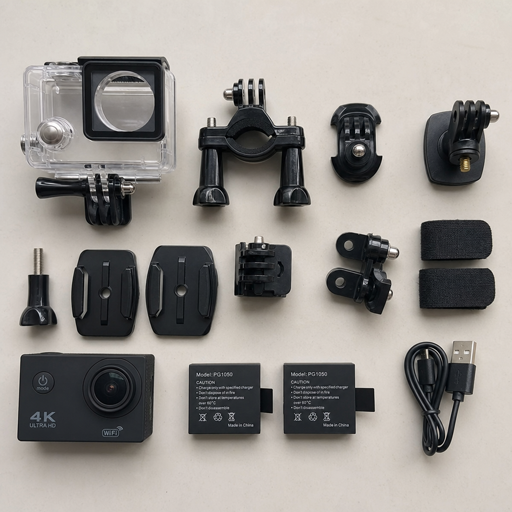
Action camera accessories are not just add-ons. They often determine whether your footage is stable, safe, comfortable, and interesting. A great camera mounted poorly can deliver disappointing results, while a modest setup with the right mount can capture a clean and engaging perspective.
Here are the accessories most users should consider:
- Extra batteries and a charger: Essential for travel, sports, long rides, and full-day shoots.
- High-quality memory cards: Needed for reliable recording, especially with 4K action cameras and high-frame-rate modes.
- Chest mount: Great for biking, skiing, paddling, and hands-free point-of-view footage.
- Helmet mount: Useful for immersive sports footage, though it should be installed carefully and safely.
- Handlebar or pole mount: Good for bikes, scooters, boats, and creative third-person angles.
- Floating grip: Important around water because it makes the camera easier to hold and recover.
- Protective housing or lens covers: Helpful for rough environments, travel bags, sand, and impact-prone activities.
- External microphone adapter or wind protection: Useful when speech, engine sound, or environmental audio matters.
- Small tripod or grip: A simple tool for travel clips, time-lapses, group shots, and stable talking segments.
Buy accessories based on use, not clutter. A creator who films trail running needs different gear from someone filming reef snorkeling or skateboard tricks. Start with one or two mounts that match your most common shots, then expand only when you know what is missing.
Smart shooting habits improve every camera
Even the top action cameras perform better when you use them intentionally. The small size can make people treat them casually, but a few simple habits can dramatically improve results. Better footage often comes from preparation, positioning, and consistency rather than buying another device.
Use this field checklist before important shoots:
- Clean the lens. Fingerprints, dust, salt spray, and water spots are easy to miss until you review the footage.
- Check your mount. Tighten screws, test vibration, and make sure the angle matches the shot you want.
- Confirm resolution and frame rate. Use higher frame rates for fast action or slow motion, and standard settings for longer recording.
- Watch the light. Face the action toward good light when possible, and avoid extreme contrast if detail matters.
- Record short test clips. A ten-second review can reveal a crooked horizon, muffled audio, or blocked lens.
- Carry backup storage and power. The most exciting moment often happens after the first battery is drained.
- Label or organize clips soon. Good file habits save time when you sit down to edit.
Small cameras also benefit from varied angles. Mix point-of-view clips with static shots, follow shots, close details, and environmental scenes. A video made only from helmet footage can feel repetitive, while a simple blend of perspectives makes the story easier to watch.
What do action camera reviews often miss?
Action camera reviews often focus on specs, sample footage, and headline features, but they may not fully show how a camera behaves after weeks of real use. The overlooked details include menu design, app reliability, mounting convenience, file transfer speed, battery swaps, lens protection, and how quickly you can start recording when something spontaneous happens.
A camera can produce excellent footage and still be frustrating if it is slow to operate. Buttons should be usable with gloves or wet hands if that matters for your activity. Screens should be bright enough for outdoor checks. Menus should make common settings easy to find, because action rarely waits while you scroll through options.
Reviews can also understate the importance of ecosystem. If a camera has a strong range of mounts, replacement parts, protective accessories, and compatible audio tools, it may be easier to live with over time. That support can matter more than a single advanced feature you rarely use.
Matching features to real-world uses
Different activities place different demands on an action camera. Instead of asking which model is universally best, ask which features solve the problems your activity creates. That shift makes the buying process clearer and reduces the chance of paying for features that do not improve your footage.
For cycling and motorsports, prioritize stabilization, secure mounting, wind noise control, and wide dynamic range. For hiking and travel, look for battery flexibility, quick capture, natural color, and lightweight accessories. For water sports, focus on waterproofing, floating grips, lens protection, and performance in changing light. For creators and vloggers, screens, audio support, app workflow, and vertical video tools may matter more than extreme ruggedness.
Families and casual users should not feel pressured to chase every advanced mode. A reliable camera with simple controls, good automatic settings, and easy sharing may be the better choice. The goal is to capture moments, not manage a production kit every time someone jumps into a pool or rides a trail.
A simple buying framework
Before you compare final models, write down what you need the camera to do. This prevents spec overload and makes action camera reviews easier to interpret. Use the following framework as a quick decision filter:
- Primary activity: What will you film most often?
- Environment: Will the camera face water, dust, cold, heat, mud, or impact?
- Mounting style: Will it be handheld, body-mounted, vehicle-mounted, or fixed in one place?
- Output format: Are you making social clips, family archives, training videos, or polished edits?
- Editing preference: Do you want automatic edits or full manual control?
- Audio needs: Is natural sound or speech important?
- Accessory budget: Which mounts, cards, cases, and batteries are truly necessary?
- Ease of use: Can you start recording quickly and trust the settings under pressure?
If two cameras seem close, choose the one that removes friction from your actual routine. Convenience is not a minor feature. It often decides whether the camera comes with you or stays in a drawer.
Next-gen does not mean complicated
The promise of next-gen action cameras is not just better footage. It is easier storytelling from places where normal cameras are awkward, risky, or too slow. The best models help you capture the steep trail, the first dive, the weekend ride, the family trip, or the behind-the-scenes moment without turning the experience into a technical chore.
Look beyond the spec sheet and think in terms of outcomes. Do you want smoother clips, sharper travel memories, safer mounting, faster sharing, or more creative angles? Once you know that, choosing among the best action cameras becomes much simpler.
A strong setup usually starts with a capable camera, a reliable memory card, extra power, and one or two mounts that fit your lifestyle. Add accessories only as your shooting style grows. With the right combination, 4K action cameras and modern accessories can help you capture adventure in a way that feels natural, durable, and ready to share.
